
Raise the level of innovation at your school with a comprehensive annual curricular program. Robotikids provides everything needed (teachers, equipment, and management) at no cost and with no administrative burden for the school or PTA.
We design an operating model where the school only provides the physical classroom space, while we cover the entire technological and administrative logistics.
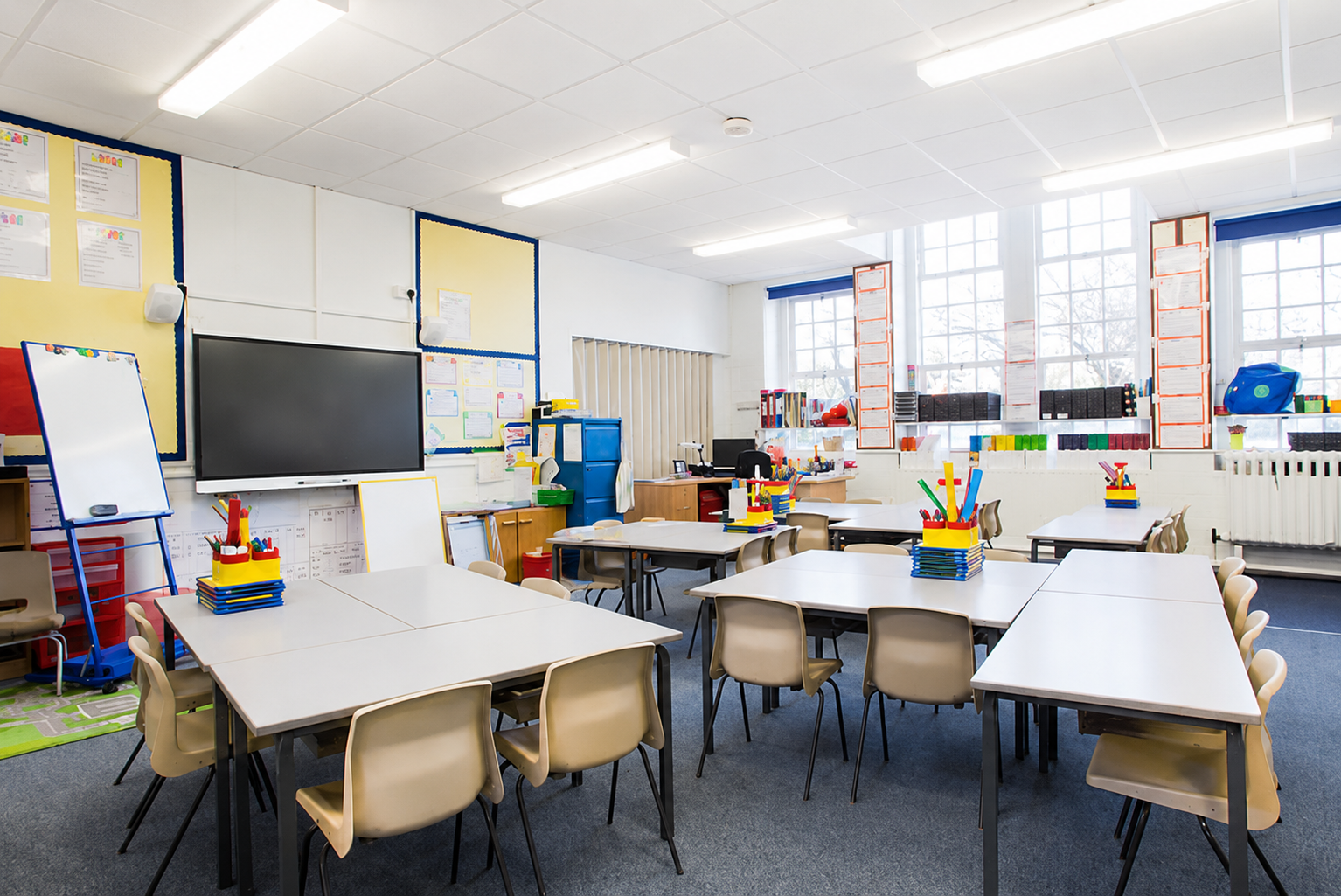
With appropriate tables and chairs for the group.
Standard power outlets to plug in equipment.
School support in informing families about the activity.
Useful for some activities, although Robotikids can operate with its own connectivity when needed.
Possibility of holding a short demonstration or initial introduction to spark students' interest.
Group planning, schedules, online registrations, and family support.
Trained team ready to lead activities and guide students during sessions.
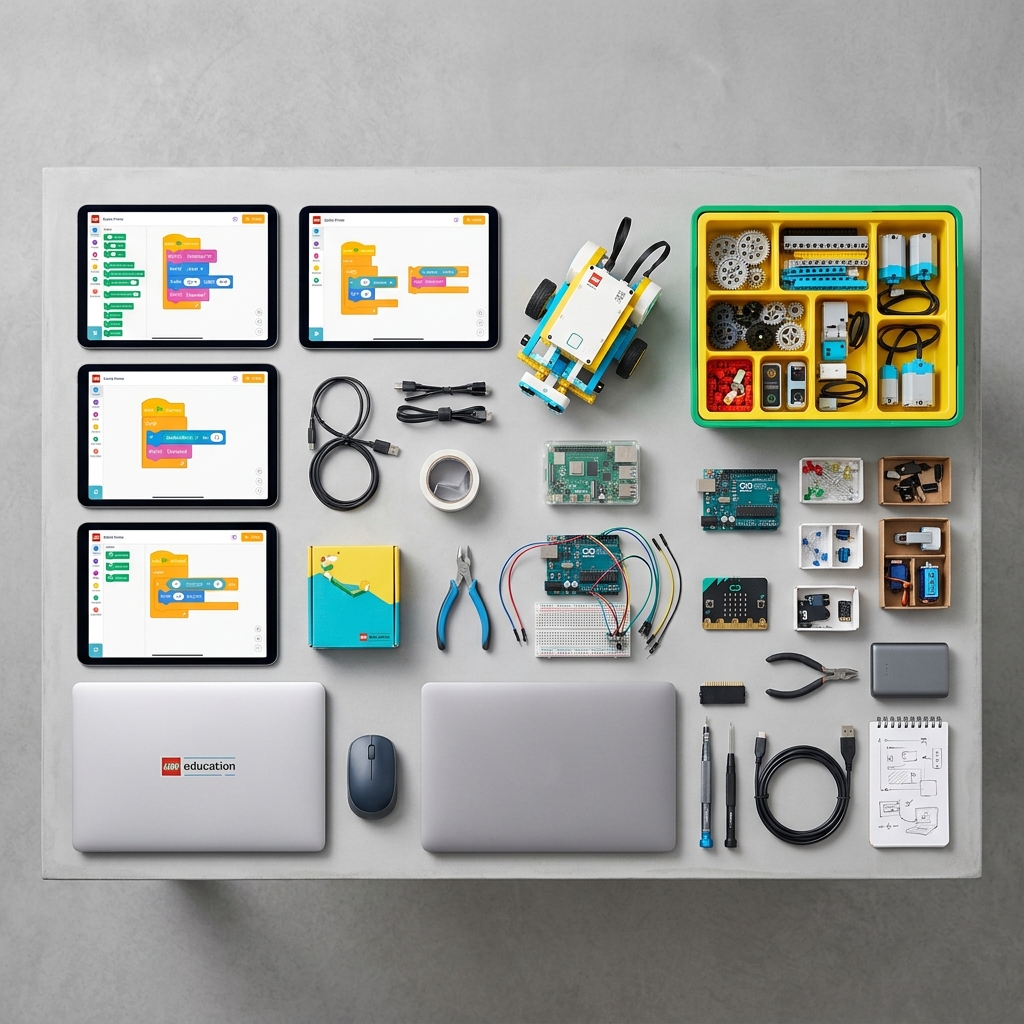
Robotikids provides all necessary equipment: laptops, tablets, robotics kits, consumables, spare parts, and teaching resources.
If the activity requires internet and the school has no Wi-Fi, Robotikids can provide its own 4G router.
Civil liability insurance and periodic student progress reports.
Select a level to learn about its competencies and view the gallery of real robots and resources we use.
The priority in the preschool stage is to introduce the youngest learners to the world of technology in a warm and playful way, harnessing their natural curiosity to lay the foundations of computational thinking without the need for excessive exposure to complex screens.
We use tools specifically designed for this age group that allow children to learn through play in a safe, hands-on environment.
The cheerful mascot that accompanies children in motor skills development and basic exploration.
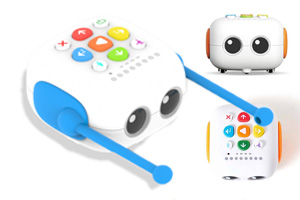 Tale-Bot Pro
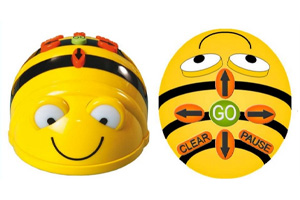 Bee-Bot
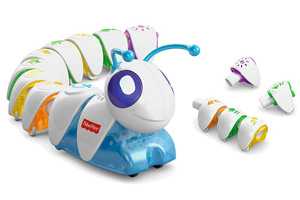 Caterpillar-Bot
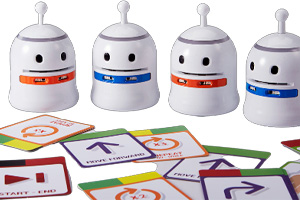 TrueTrue
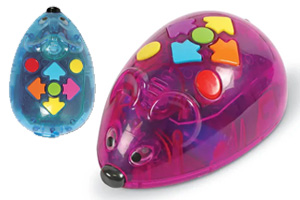 Robot Mouse
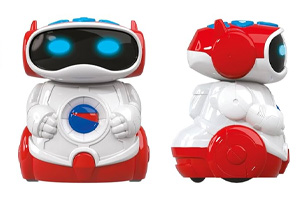 Doc-Bot
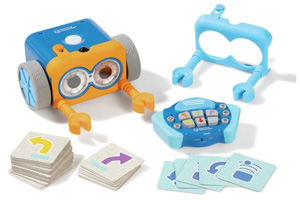 Botley
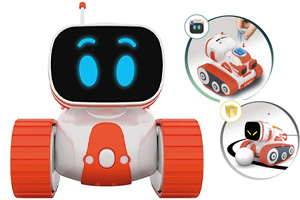 Pixi-Bot
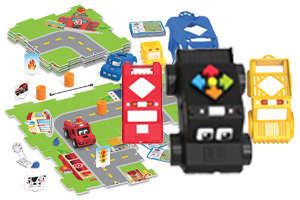 Coding Crew
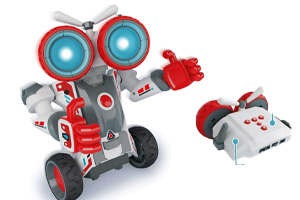 Sam-Bot
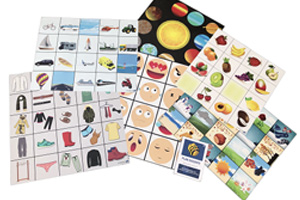 Educational Mats
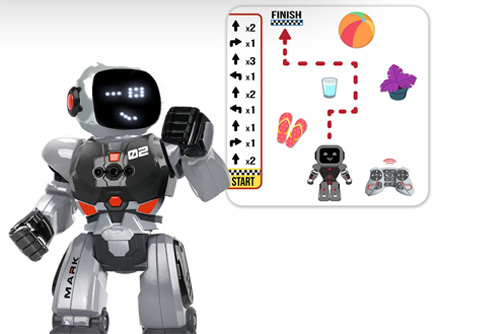 Botmax
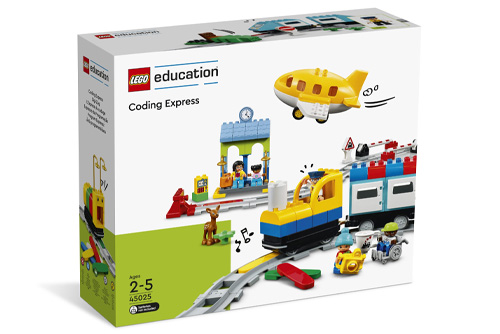 Coding Express
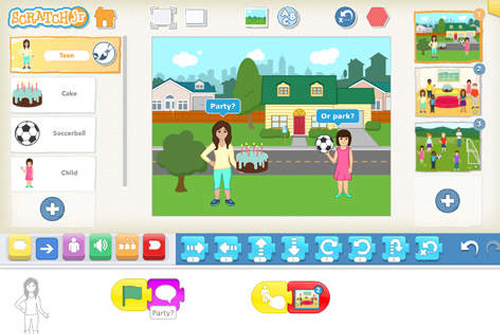 Scratch Jr
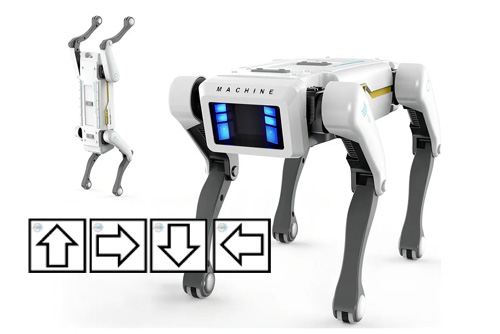 Quadruped Robot
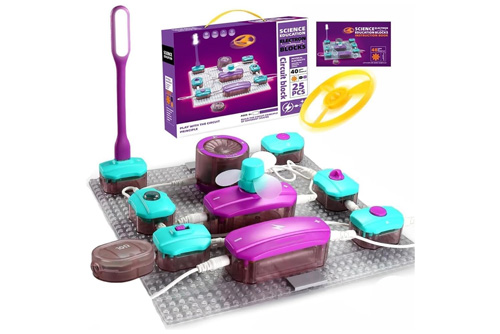 Electronics Kits
Upon entering primary education, the Bytebots level marks the beginning of an active and creative exploration phase. Here, students stop being mere observers to become builders. The program introduces deeper concepts of mechanics, creative electronics, and block-based programming, making robotics go beyond mere movement to include the use of sensors that allow machines to interact with their environment.
This level is essential for fostering autonomy and technological resilience. Students learn that errors in programming or building are opportunities to improve their design, developing an innovative mindset capable of seeing opportunities where others see obstacles. In addition, they are introduced to basic 3D modeling and virtual reality, stimulating their spatial thinking.
The dynamic robot that teaches step-by-step problem solving and overcoming errors.
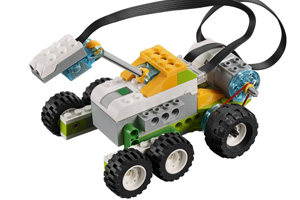 LEGO WeDo
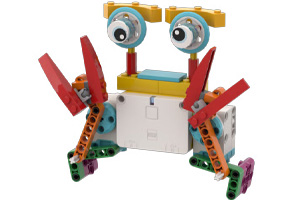 Spike Essential
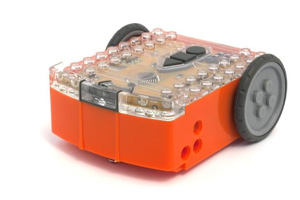 Edison Robot
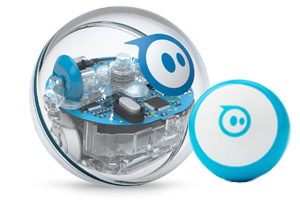 Sphero
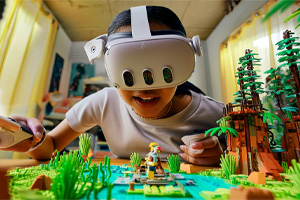 VR Headsets
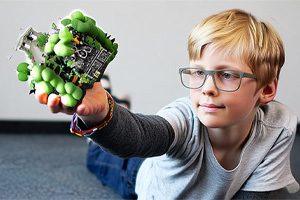 3D Environments
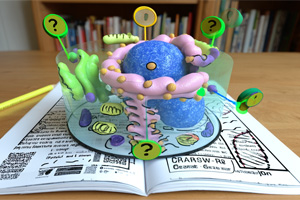 Augmented Reality
 3D Coding
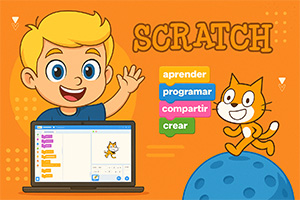 Scratch
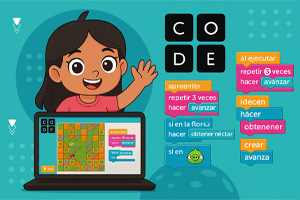 Code (Code.org)
 Kodu
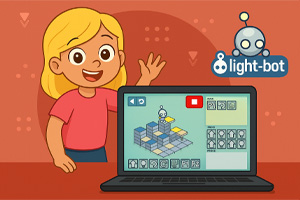 Lightbot Jr
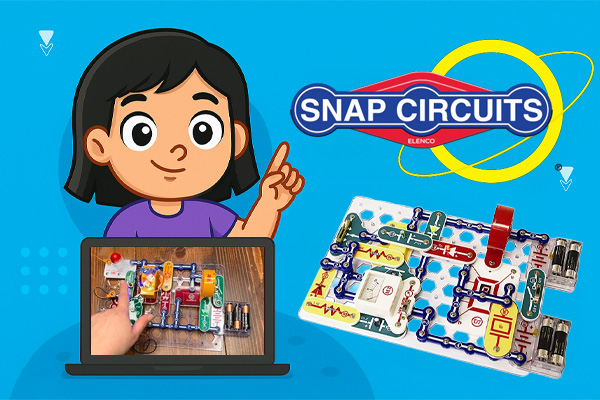 Snap Circuits
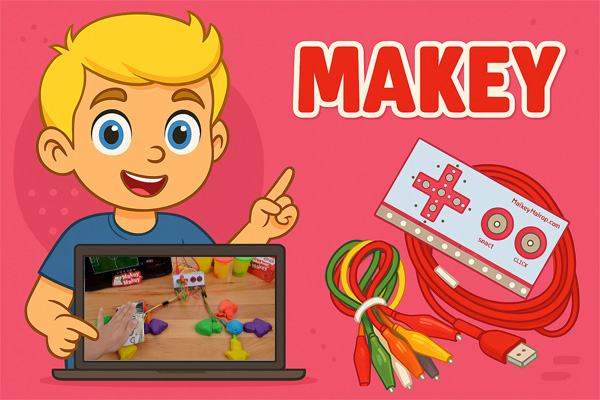 Makey Makey
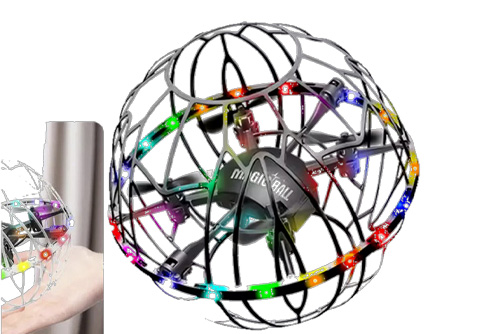 Mini Drone
Advancing to the upper years of primary school, the Megabots level represents a stage of greater technological depth. In this phase, students move from building guided projects to tackling more complex challenges where they must analyze, design, and program solutions. Robotics, programming, and engineering are integrated into projects that require planning, experimentation, and teamwork.
This level consolidates their technological thinking and their ability to solve real-world problems. Through innovative projects and teamwork, they develop creativity, strategic thinking, and autonomy, preparing for the challenges of the digital world.
The technological creator expert in 3D design, advanced programming, and algorithms.
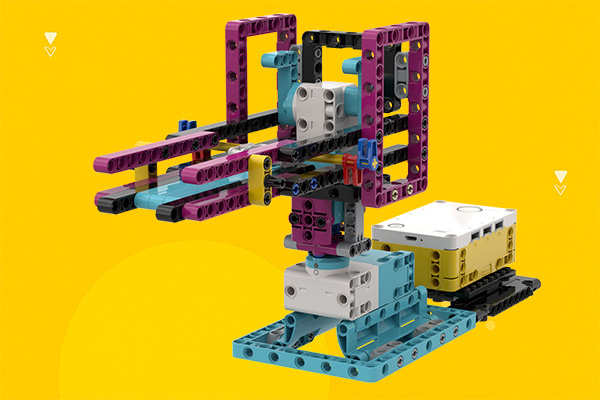 Spike Prime
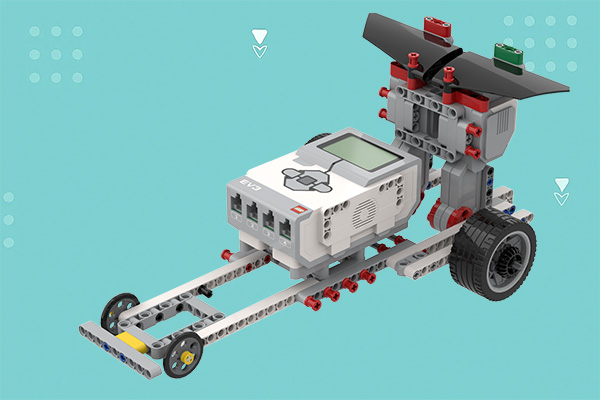 Mindstorms EV3
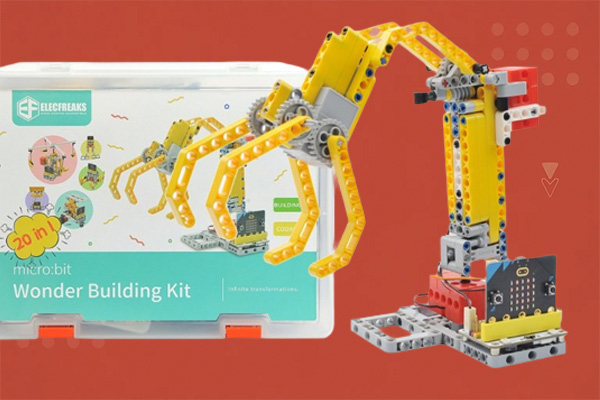 Wonder Kit
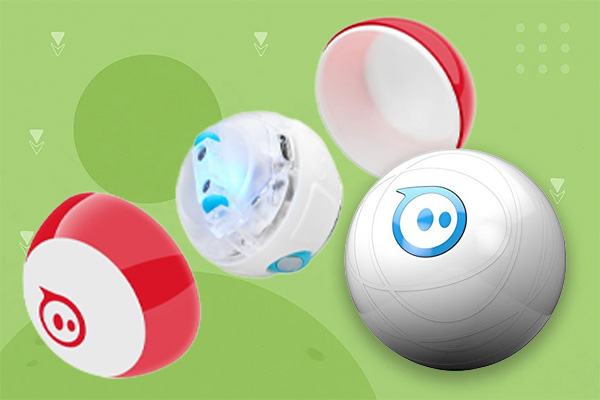 Sphero
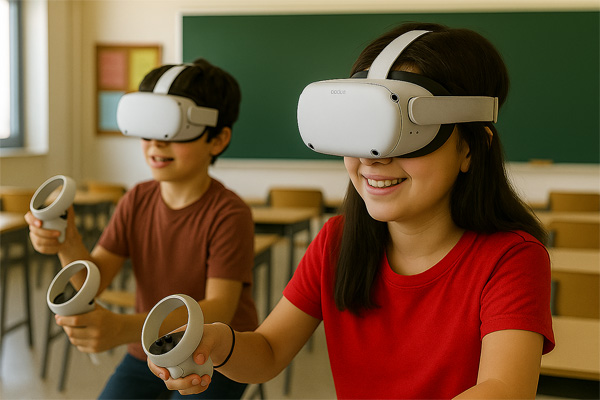 VR Headsets
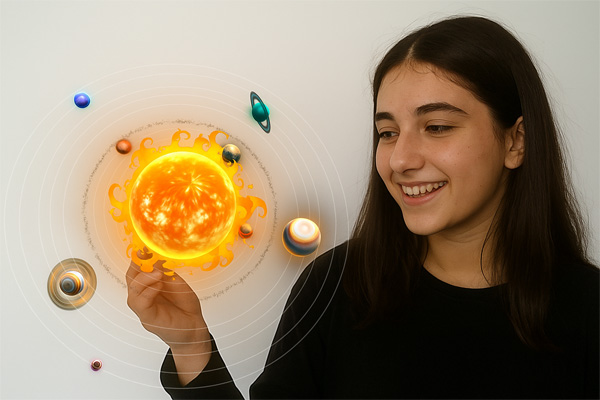 3D Environments
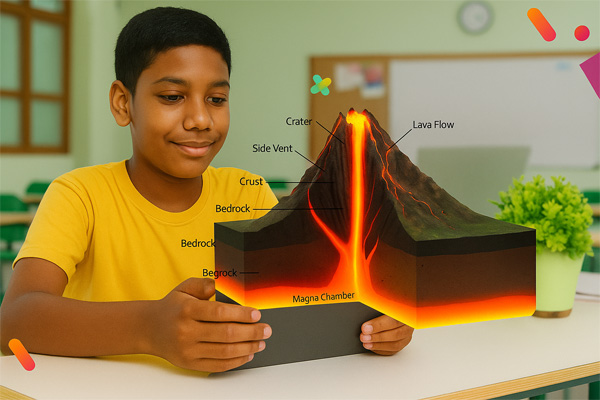 Augmented Reality
 3D Coding
Scratch
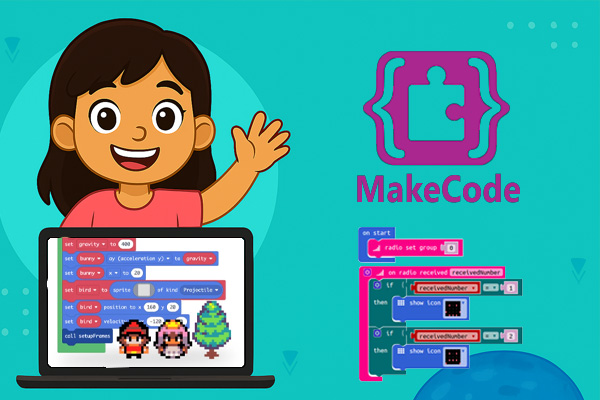 MakeCode
 Kodu
 Micro:bit
Snap Circuits
Makey Makey
 LittleBits
 Circuit Stickers
Mini Drone
A level focused on developing real Maker projects. Students combine electronics with structured code on physical boards and controlled aerial piloting.
The classroom mentor who leads complex projects and real Maker integration.
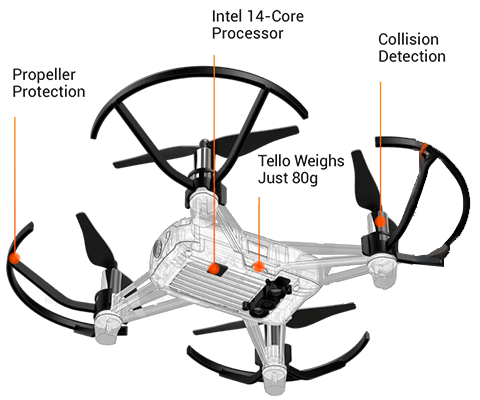 DJI Tello Drone
 Maker Design
Arduino & EV3
We offer sessions to choose from: 1h, 1.5h, or 2h per week. We design the session with a dynamic structure adapted to the age and cognitive ability of the students:
The instructor connects with the students and poses a real-world challenge or problem to solve (10 min in 1h and 1.5h sessions, or 15 min in 2h sessions).
Students build and program their robot or circuit to solve the proposed challenge (30 min in 1h sessions, 50 min in 1.5h, or 60 min in 2h).
Joint testing, cooperative error validation, and sharing of created solutions (15 min in 1h sessions, 25 min in 1.5h, or 40 min in 2h).
Orderly disassembly and sorting of materials into their respective cases and trays.
The instructor introduces the curricular concept and presents the challenge of the day playfully as a group (10 min in 1h sessions, 15 min in 1.5h, or 20 min in 2h).
First hands-on building and tactile programming activity with their educational robots (20 min in 1h sessions, 30 min in 1.5h, or 40 min in 2h).
Second circle time to consolidate learned concepts and resolve doubts cooperatively (10 min in 1h sessions, 15 min in 1.5h, or 20 min in 2h).
Second hands-on activity to delve deeper into the challenge, play, experiment, and finally clean up (20 min in 1h sessions, 30 min in 1.5h, or 40 min in 2h).
Our program rotates throughout the school year so that students practically explore and learn the ten technologies with the greatest future potential.
Connect, build, and program physical motors and sensors.
Development of computational thinking and logical algorithms.
Safe piloting, flight challenges, and programmed choreographies.
Virtual immersions applied to science subjects.
2D and 3D video game design and programming in the cloud.
Understanding how generative AI works and its ethical use.
Three-dimensional design and real printing in plastic filament.
Circuits and control of physical actuators, lights, and sensors.
Educational gamification to solve programming challenges.
Story planning, frame-by-frame shooting, and digital editing.
We will call you to arrange an appointment, visit your school, and design a tailored proposal and quote adapted to the needs of your school or PTA (AMPA), completely without obligation.